- Sam Parr built The Hustle from a one-day conference to a 2 million-subscriber newsletter and sold it to HubSpot for a reported eight-figure sum.
- Before media, Parr ran a hot dog stand called “Southern Sam’s: Wieners as Big as a Baby’s Arm” on the streets of Nashville.
- The Hustle hit $15 million in annual revenue without taking a dollar of venture capital.
- Parr now co-hosts My First Million, one of the most listened-to business podcasts in the world.
- He also founded Hampton, a private community for founders doing $1 million or more in annual revenue.
The Kid Who Asked Adults How Much They Made
Sam Parr grew up in St. Louis, Missouri, the kind of kid who made adults uncomfortable at dinner parties. While other children played, Parr asked his parents’ friends how much money they earned and how they could afford their cars. He wasn’t interested in the money itself. He was interested in the mechanics.
“I didn’t care about making money, but I cared about the mechanics of being great,” Parr said in an interview. “If I met a good runner, I used to be curious about their workout, diet, workout hours. I’d ask specific questions.”
That curiosity took him to Belmont University in Nashville on a Division I track scholarship, running the 200m and 400m. But the classroom was never where Parr learned. A producer for A&E’s American Pickers hired him after Parr recognized him on the street and talked his way into a job. That gig ended. The hot dog stand began.
$5,000 a Month Selling PDFs on Craigslist
After college, Parr moved to San Francisco with no job, no connections, and no plan beyond “start an internet company.” Finding an apartment in the city was brutal, so he wrote a PDF guide on how to stand out on Craigslist rental applications. He sold each copy for $50 and made $5,000 a month.
His future wife bought one before they ever met. She had also read about his cross-country motorcycle trip from California to New York and back. “She thought it was cool, and that’s how we met,” Parr said.
He co-founded Bunk, a roommate-matching app described as “Tinder for finding roommates,” with John Havel. It was acquired within ten months. Parr worked for the acquirer for a year, then quit to figure out what came next.
HustleCon: $40,000 in Profit in Seven Weeks
What came next was a conference. Parr wanted to learn from tech founders but knew that cold-emailing them to “pick their brain” was a dead-end strategy. So he built a stage and invited them to speak.
HustleCon launched in 2014 as a one-day event in San Francisco. Parr sold 400 tickets, booked notable speakers, and landed seven sponsorship packages — all in seven weeks. He walked away with over $40,000 in profit.
He didn’t pay the speakers. He convinced them for free.
To sell tickets, Parr built an email drip sequence of 12 emails based on speaker bios and posted them everywhere — Reddit, Hacker News, Facebook groups, LinkedIn, Twitter. He gave away 50 tickets to influencers with large Facebook audiences in exchange for promotion. The conference sold out.
HustleCon ran every year until 2019, growing from 300 attendees to over 2,500. Parr estimates the events generated over $2 million in total revenue across six years. He never lost money on a single one.
From Conference to Newsletter to $15 Million Business
The conference was never the real product. The email list was.
Parr launched TheHustle.co as a blog in July 2015. He was the only writer, but he didn’t want readers to know that. So he created fictional writers — Sidd Finch, Steph Whitfield, Steve Garcia — complete with LinkedIn profiles. He wrote under his own name and under theirs, publishing ten articles per week.
The content strategy was ruthless. Parr and his team scoured Reddit for the most upvoted posts and mined the comments for unanswered questions. Then they ran experiments to answer them. One writer lived on Soylent for 30 days. Another microdosed LSD for a month. They tried to create a bestselling Kindle book to expose flaws in Amazon’s system — until Harlequin Romance threatened legal action.
The Hustle hit 100,000 email subscribers in under a year with zero paid acquisition. Parr didn’t touch Facebook ads until the list reached 250,000. By then, he knew his numbers — lifetime value per subscriber, cost per acquisition, payback period — “like crazy.”
The newsletter eventually reached 2 million subscribers and $15 million in annual revenue. No venture capital. Profitable from the start.
The HubSpot Exit and My First Million
In 2021, HubSpot acquired The Hustle for a reported eight-figure sum. Parr stayed on briefly, then moved on.
His next act was already underway. Parr had been co-hosting My First Million, a podcast where he and Shaan Puri dissect business ideas, break down what’s working, and interview founders. The show became one of the most popular business podcasts in the world, known for its raw, unfiltered style — two guys on microphones arguing about whether laundromats or SaaS companies are better businesses.
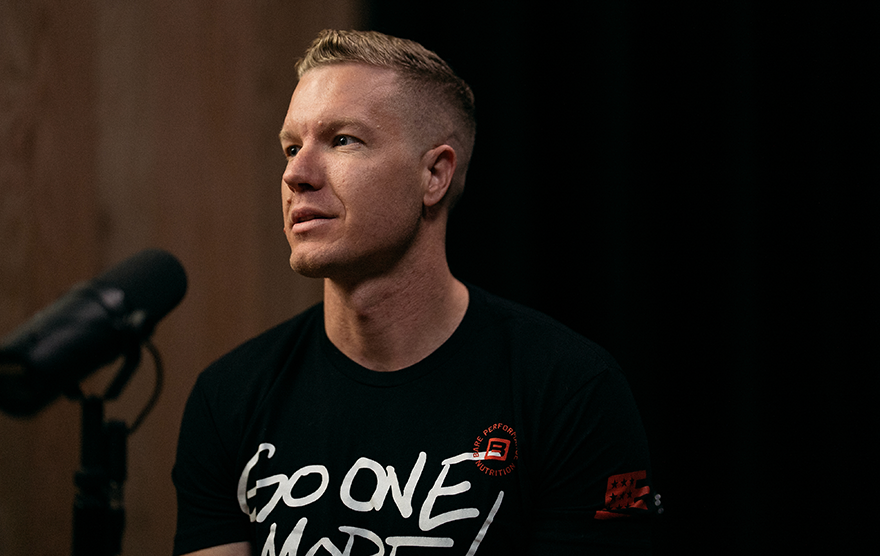
The podcast works because Parr is the same person on air as he was selling hot dogs in Nashville: curious, direct, and completely unafraid to ask the question everyone else is thinking. In a recent appearance on the Nick Bare podcast, Parr broke down the same obsessive research habits that built The Hustle — he has read over 60 biographies and tracked the exact date each subject started building something and the day they became successful.
Hampton: A Private Club for Eight-Figure Founders
Parr’s latest venture is Hampton, a private membership community for founders generating $1 million or more in annual revenue. Members are organized into small peer groups that meet regularly to share challenges, financials, and advice.
It is the logical extension of everything Parr has built. HustleCon brought founders into one room. The Hustle put business knowledge into millions of inboxes. My First Million made it conversational. Hampton makes it personal.
“You can’t be too proud. Most people are too worried about looking stupid,” Parr has said. His career is proof that asking the uncomfortable question — whether to a stranger at a dinner party or to a tech founder on a podcast — is the fastest way to learn anything worth knowing.