- Trump orders all federal agencies to phase out Anthropic products within six months.
- Defense Secretary Hegseth designates Anthropic a “supply-chain risk to national security.”
- Anthropic refused to allow its AI for mass domestic surveillance or fully autonomous weapons.
- OpenAI publicly backed Anthropic’s stance — then signed its own Pentagon deal hours later.
- Anthropic says it will challenge the supply-chain designation in court.
Trump Cuts Ties With Anthropic Over Defense Dispute
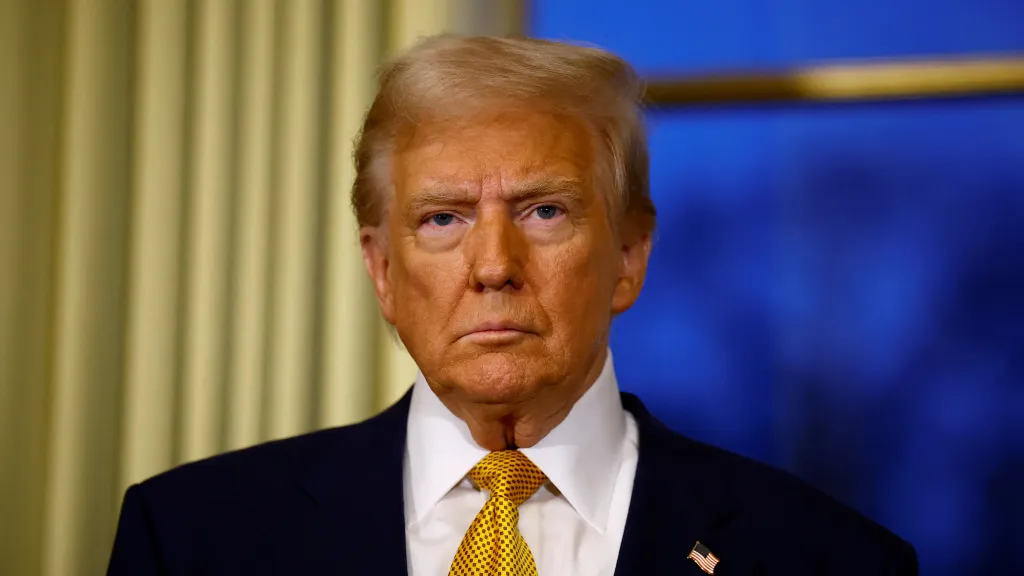
President Donald Trump announced Friday on Truth Social that he was directing every federal agency to immediately cease use of all Anthropic products. The order allows a six-month phase-out period for departments currently using the company’s AI tools, but makes the administration’s position clear.
“We don’t need it, we don’t want it, and will not do business with them again,” Trump wrote. He added that Anthropic “better get their act together, and be helpful during this phase out period, or I will use the Full Power of the Presidency to make them comply, with major civil and criminal consequences to follow.”
Anthropic has been in use by the U.S. government and military since 2024 and was the first advanced AI company to have its tools deployed in government agencies doing classified work. The company’s contract with the Pentagon was worth $200 million. Its most recent valuation, earlier this month, put the company at $380 billion.
Hegseth Designates Anthropic a National Security Risk
Within hours of Trump’s post, Defense Secretary Pete Hegseth escalated the situation further — making Anthropic the first U.S. company to ever publicly receive a supply-chain risk designation.
In conjunction with the President’s directive for the Federal Government to cease all use of Anthropic’s technology, I am directing the Department of War to designate Anthropic a Supply-Chain Risk to National Security.
— Pete Hegseth (@PeteHegseth) February 28, 2026
Effective immediately, no contractor, supplier, or subcontractor that does business with the United States military may conduct any commercial activity with Anthropic.
The designation means any company doing business with the U.S. military is now barred from conducting any commercial activity with Anthropic. The dispute centers on Anthropic’s refusal to allow its AI models to be used for mass domestic surveillance or fully autonomous weapons — two red lines CEO Dario Amodei called non-negotiable. Hegseth had given Anthropic an ultimatum earlier in the week: allow the Pentagon unrestricted use of its tools by Friday, or face consequences. Amodei chose consequences.
“No amount of intimidation or punishment from the Department of War will change our position on mass domestic surveillance or fully autonomous weapons,” Anthropic said in a statement Friday evening, adding that the designation “would both be legally unsound and set a dangerous precedent for any American company that negotiates with the government.” The company confirmed it would challenge the designation in court.
OpenAI Backs Anthropic — Then Takes Its Pentagon Deal
In a memo to staff seen by the BBC, OpenAI CEO Sam Altman said he shared the same “red lines” as Anthropic and that any OpenAI defense contracts would also reject uses “unlawful or unsuited to cloud deployments, such as domestic surveillance and autonomous offensive weapons.”
OpenAI co-founder Ilya Sutskever, who left the company in 2023 and co-founded his own AI startup, also weighed in on X: “It’s extremely good that Anthropic has not backed down, and it’s significant that OpenAI has taken a similar stance. In the future, there will be much more challenging situations of this nature, and it will be critical for the relevant leaders to rise up to the occasion.”
But within hours of the Trump administration cutting ties with Anthropic, OpenAI moved to fill the void — announcing a deal with the Pentagon that Altman said preserved the same core principles Anthropic had fought for. According to the New York Times, OpenAI and the government began meeting about a potential deal on Wednesday. The timing was not lost on observers.
What Happens Next
Anthropic said Friday evening it had yet to hear anything directly from the White House or the military “on the status of our negotiations.” The company said the only impact for non-government customers would be on companies that also contract with the military — those firms may have to stop using Anthropic for work done on behalf of the department.
Senator Thom Tillis, a North Carolina Republican, criticized the Pentagon’s handling of the matter. “Why in the hell are we having this discussion in public?” he told reporters. “When a company is resisting a market opportunity for fear of negative consequences, you should listen to them.” Senator Mark Warner called the situation “deeply disturbing” and said it “further underscores the need for Congress to enact strong, binding AI governance mechanisms for national security contexts.”
Anthropic, OpenAI, and Google each received contract awards from the U.S. Defense Department last July. While some Google employees have come out in support of Anthropic, Google and its parent company have yet to comment. The legal fight over the supply-chain designation is expected to begin in the coming weeks.